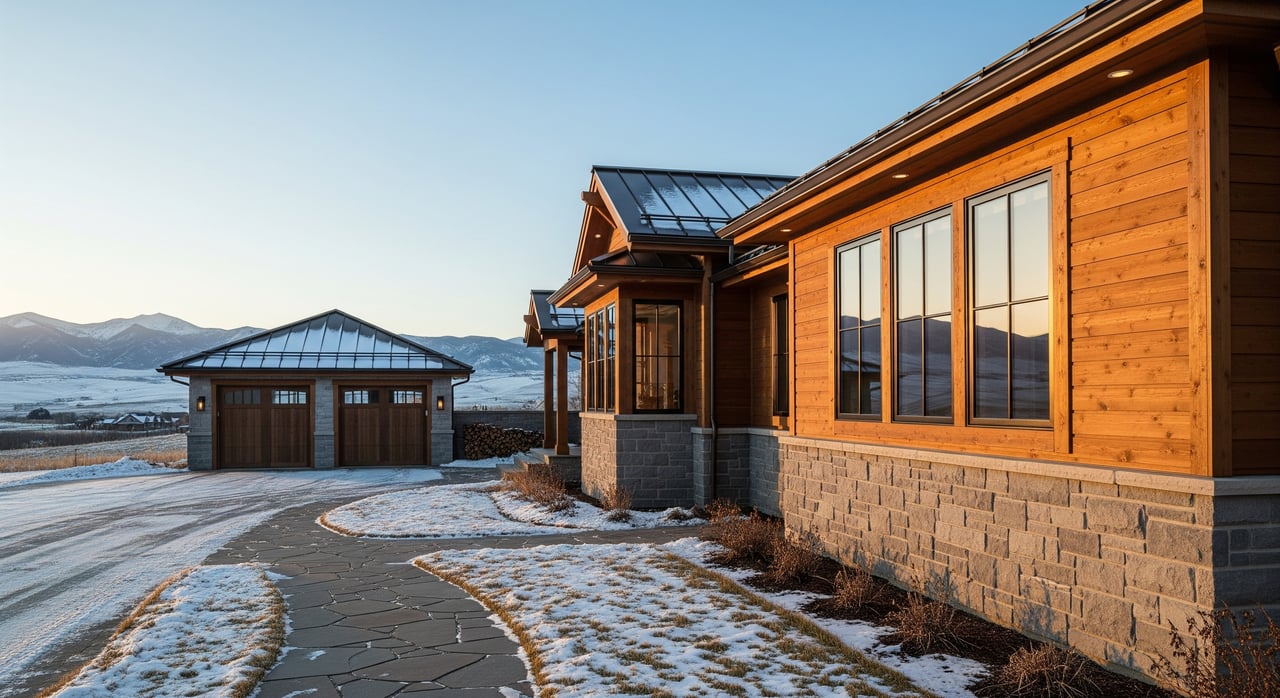
Cold snaps can show up fast in Wellington, and a missed step before the first hard freeze can turn into a costly repair. If you want your home to stay safe, warm, and efficient all winter, a simple checklist goes a long way. You do not need to be a DIY pro to protect your systems, but you do need a plan and the right timing. This guide gives you a clear, Wellington‑specific checklist, a seasonal timeline, hiring tips, and trusted resources so you can prep with confidence. Let’s dive in.
Wellington winter at a glance
Wellington sits in Northern Colorado’s semi‑arid, continental climate with prolonged overnight freezing, periodic snow, and quick temperature swings. Freeze–thaw cycles are common in fall and spring, which can stress roofs, gutters, and concrete. Irrigation lines, outdoor faucets, and pipes near exterior walls are especially vulnerable to freezing. Book key services in early to mid‑fall because local contractors fill up quickly.
For weather timing and storm alerts, check reliable sources like the National Weather Service as cold sets in.
Your Wellington winter checklist
Irrigation and exterior water
- What to do:
- Schedule a professional sprinkler blowout to clear mains, lateral lines, valves, and heads.
- Shut off outdoor water, drain hose bibs, and add insulated covers.
- Winterize backflow prevention assemblies per local code. Put controllers in “off” or “rain” mode and replace batteries if needed.
- Why it matters: Trapped water expands when it freezes and can crack pipes, valves, and backflow devices.
- Pro tip: Ask your contractor what PSI they use and how they handle the backflow; incorrect pressure can damage components.
Gutters, roofs, and attic
- What to do:
- Clean gutters and downspouts. Confirm downspouts move water well away from the foundation.
- Inspect for loose shingles and damaged flashing around chimneys and vents.
- Check attic insulation and ventilation to reduce ice dam risk and energy loss.
- Trim branches that could break under snow or ice.
- Why it matters: Clogged gutters and weak roofing allow water intrusion when snow melts and refreezes. Adequate insulation and ventilation help prevent ice dams.
- Winter actions: Use a roof rake from the ground to remove heavy snow at eaves. Consider gutter guards, but plan to clean gutters periodically.
Heating, indoor air, and safety devices
- What to do:
- Schedule annual furnace or boiler service. Have a licensed tech check burners, heat exchanger, ignition, and venting.
- Replace HVAC filters before peak use, then every 1 to 3 months.
- Test smoke and carbon monoxide alarms on each level and near sleeping areas. Replace batteries and follow device lifespan guidance.
- Why it matters: Regular service improves efficiency, reduces breakdowns, and lowers carbon monoxide risk.
- Resource: Review CO alarm best practices from the U.S. Environmental Protection Agency.
Plumbing and pipe protection
- What to do:
- Insulate exposed pipes in crawlspaces, garages, and along exterior walls.
- Locate and label the main water shutoff valve. Keep a wrench and emergency contacts handy.
- Keep heat at or above 55°F when away for extended periods.
- During extreme cold, allow faucets on exterior walls to drip slowly.
- Why it matters: Frozen pipes can burst, leading to significant water damage and expensive repairs.
Weatherstripping, windows, and insulation
- What to do:
- Replace worn weatherstripping and door sweeps. Caulk gaps around windows and doors.
- Add or inspect storm windows and top off attic insulation where accessible.
- Seal air leaks at outlets on exterior walls and any gaps at vents or penetrations.
- Why it matters: Tightening the envelope reduces heating costs, improves comfort, and helps prevent ice dams by minimizing heat loss.
Snow readiness and exterior prep
- What to do:
- Service your snowblower, stock shovels, and keep concrete and pet‑safe de‑icer on hand.
- Clear snow from walkways and driveways, and keep exterior vents and outdoor HVAC units free of snow.
- Use a long‑handled roof rake for heavy accumulation at the eaves. Hire a professional for larger jobs.
- Cover grills and outdoor equipment. Secure furniture.
- Local note: Check Wellington and Larimer County rules for sidewalk snow removal and any storm‑related parking restrictions.
Landscaping, trees, and pest prevention
- What to do:
- Trim hazardous or diseased limbs that could fall under snow load.
- Store hoses and drain decorative water features.
- Seal exterior gaps to reduce rodent entry into crawlspaces or attics.
- Why it matters: Proactive trimming and exclusion help prevent storm damage and protect wiring and insulation from pests.
Safety and emergency prep
- What to do:
- Test generators and follow safe ventilation practices.
- Keep an emergency kit with shovels, flashlights, batteries, water, blankets, and a contractor contact list.
- Review homeowner’s insurance requirements for freeze damage and winter claims.
- Resource: For preparedness planning, visit Larimer County’s official site for emergency management information.
When to do what
Early Fall (September to October)
- Irrigation blowout and backflow winterization.
- Clean gutters and inspect roof and flashing.
- Furnace service and fresh filters.
- Trim tree limbs near structures.
- Insulate exposed pipes and install faucet covers.
- Service snow equipment and stock de‑icer.
Late Fall (October to November)
- Final check of hoses, lawn equipment, and outdoor furniture.
- Install storm windows or confirm seals on existing windows.
- Test generators and place on a maintenance schedule.
- Verify smoke and CO alarms are working.
Mid‑Winter (December to February)
- Watch for ice dams and attic or roof issues.
- Clear snow from vents, meters, and outdoor HVAC units.
- Maintain sidewalks and driveways per local ordinances.
Early Spring (March to April)
- Inspect for freeze damage to pipes, roofs, and foundations.
- Clean gutters of winter debris and flush downspouts.
- Schedule repairs identified after thawing.
Smart hiring in Wellington
Irrigation contractors
- Ask about experience with local freeze timing, blowout PSI, backflow handling, and controller winterization. Request proof of insurance and a written scope.
HVAC technicians
- Confirm licensing and certifications. Ask about carbon monoxide safety checks, heat exchanger inspection, and emergency availability. Get a written service agreement.
Plumbers
- Verify license, experience with pipe insulation and burst repairs, and emergency response time. Ask them to identify your home’s main shutoff.
Roofers and gutter services
- Request proof of insurance, references, and warranty details. Ask about ice dam mitigation and safe work practices.
Snow‑removal contractors
- Clarify per‑event vs seasonal pricing, what areas they service, de‑icing materials used, and liability for any damage. Get a written contract.
Chimney sweeps and fireplace techs
- Look for recognized certification and full inspection services, including cap and flashing checks and CO testing.
Arborists
- Ask for ISA certification, insurance, and experience trimming for snow load reduction.
Insulation and energy auditors
- Ask about blower‑door and infrared diagnostics and recommended attic R‑values for our climate. Check for utility rebates.
For energy savings programs and rebates on furnaces or insulation, check your utility’s offerings, including Xcel Energy. For practical how‑to winterizing guidance, explore Colorado State University Extension.
Local rules and resources
- Weather and alerts: Track incoming cold snaps and snowfall with the National Weather Service.
- Emergency updates: Review preparedness guidance and local contacts through Larimer County.
- Indoor air and CO safety: See the EPA’s resources on carbon monoxide alarms and indoor air during heating season.
- Home energy know‑how: Browse tips from Colorado State University Extension.
Stay ahead of repairs
A little planning now prevents many of the most common winter headaches in Wellington. Focus on water systems, the roof and attic, heating and safety devices, and a simple snow plan. Book key services early, keep a short list of trusted pros, and check on your home after major storms. If a move is on your horizon, keeping your property in top shape protects comfort now and supports value when it is time to sell.
Have questions about timing a sale or purchase around winter in Northern Colorado? Reach out to Brendan Mahoney for local guidance tailored to your goals.
FAQs
When should I schedule an irrigation blowout in Wellington?
- Book before the first hard freeze, typically in autumn from September to November, since contractors fill up quickly.
Can I do my own sprinkler blowout safely?
- It is possible for experienced DIYers, but incorrect pressure can damage the system; most homeowners are better off hiring a pro.
How often should my furnace be serviced during winter?
- Schedule annual service before heavy use in fall and replace filters every 1 to 3 months during the heating season.
Do I need to remove snow from my roof in Wellington?
- Remove heavy, wet snow near eaves with a roof rake from the ground to reduce ice dams; hire a professional for significant buildup.
What de‑icer should I use on driveways and around pets?
- Choose products labeled concrete‑friendly and pet‑safe, and follow manufacturer guidance; sand can add traction without chemical effects.
Will homeowner’s insurance cover winter storm damage?
- Policies often cover sudden damage like burst pipes or collapse from snow, but review your policy for maintenance requirements and exclusions.
Are there rebates for insulation or efficient heating upgrades locally?
- Utilities and local programs often offer incentives; check your provider, including resources from Xcel Energy, for current rebates.