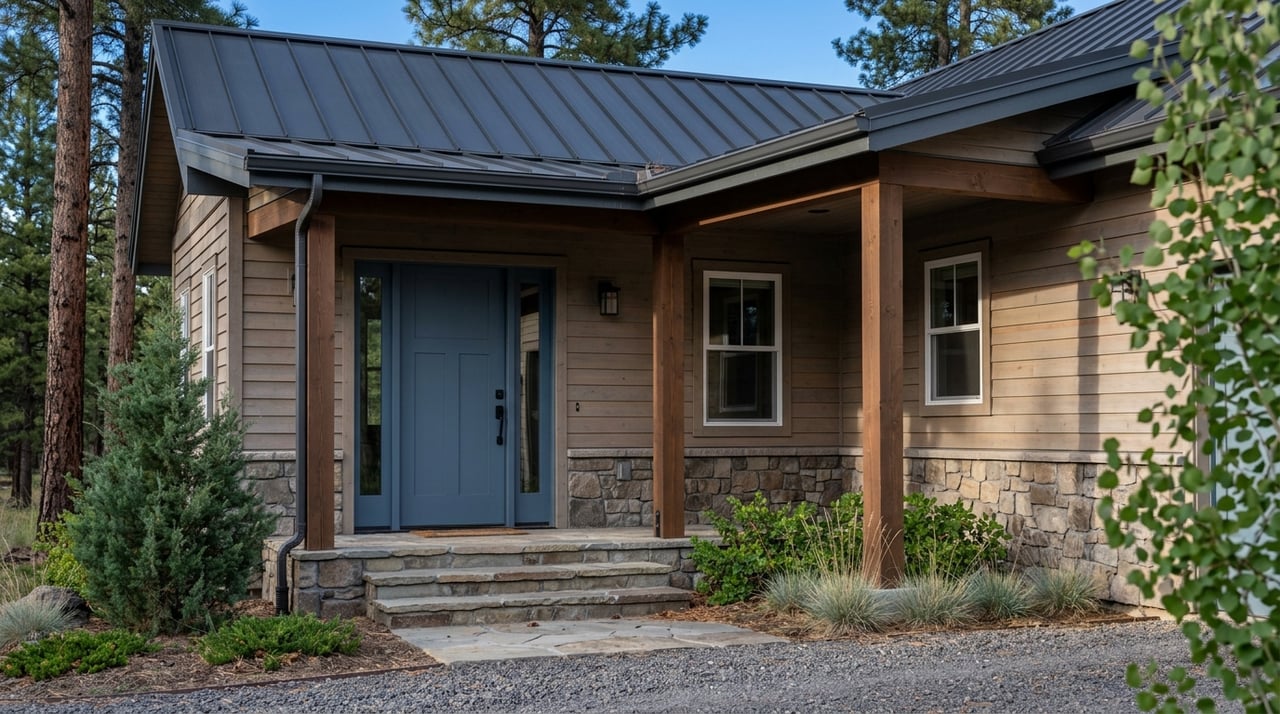
Dreaming about a quiet cabin in Livermore? The idea is easy to love: wide-open views, easy access to outdoor recreation, and a place that feels removed from the pace of town. But cabin ownership here also comes with real-world questions about roads, utilities, water, septic, and wildfire planning. If you are considering a cabin in Livermore, this guide will help you understand what the lifestyle looks like before you buy. Let’s dive in.
Why Livermore draws cabin buyers
Livermore has a strong retreat-home appeal because of its rural landscape and access to protected open space. According to Larimer County community information, the county reported conserving 4,856 acres in Livermore in 2025 as part of a larger network of more than 100,000 conserved acres. That helps explain why the area feels scenic, open, and less suburban.
Outdoor access is a big part of the draw. Eagle’s Nest Open Space offers river access and nearly 5 miles of trails, and the Cache la Poudre River corridor adds opportunities for scenic drives, camping, fishing, rafting, hiking, mountain biking, and wildlife viewing. If you want a property that supports weekend escapes or a slower seasonal rhythm, Livermore checks a lot of boxes.
Expect a more hands-on lifestyle
A cabin in Livermore is not the same as owning a home in a typical subdivision. The setting is shaped by conservation, seasonal conditions, and wildlife-sensitive land management. That means you should expect more day-to-day ownership planning, not less.
For example, Eagle’s Nest Open Space closes downstream river access from February through July to protect nesting eagles. That is a small but useful example of how seasonality can affect everyday use of the area. If you love the rural setting, it helps to be comfortable with the practical limits that come with it.
Roads and winter access matter
One of the biggest surprises for cabin buyers is access. Larimer County’s rural-property guidance makes clear that being able to drive to a property does not always mean reliable year-round access. According to Code West guidance from Larimer County, many rural properties depend on private roads or private road associations, and some county roads are not graded or snow-plowed.
The county also states that it does not plow private roads or private driveways except in a life-threatening emergency. In severe weather, even county-maintained roads can become impassable, and 4WD or chains may be necessary. If you are buying a Livermore cabin, one of your first questions should be who maintains the road, who pays for repairs, and what access looks like in winter.
Questions to ask about access
- Is the road county-maintained or private?
- Who handles grading, snow removal, and bridge repairs?
- Is there a road association, and are there dues?
- What vehicle is realistically needed in winter conditions?
Utilities are parcel-specific
In rural Livermore, utility service is rarely simple or uniform. Larimer County states that it does not provide electricity, gas, water, sewer, or other utility services to residents. Instead, service can come from a mix of providers, including electric cooperatives, propane companies, water districts, wells, cisterns, and private septic systems, as outlined in the county’s utility planning materials.
That means two nearby cabins may have very different ownership costs and maintenance needs. One property may be on a well and propane, while another may rely on a cistern and a different electric provider. Before you make an offer, it is worth confirming exactly which services exist, who provides them, and how dependable they are throughout the year.
Ask these utility questions early
- Which electric provider serves the property?
- Is heating tied to propane, electricity, or another fuel source?
- What internet and cell service options are available?
- Are trash and recycling services available, and what do they cost?
Water is more than just having a well
For cabin buyers, water due diligence goes beyond asking whether a well exists. Larimer County’s Water Master Plan page highlights drought and severe weather as long-term pressures in unincorporated areas. On top of that, the Colorado Division of Water Resources states that every new well diverting groundwater must have a permit, and well permit files show allowable uses and construction history through its water administration resources.
This matters because the legal use of a well may not match how you hope to use the property. If you plan to use the cabin more often, make updates, or change the property’s function over time, you will want to confirm the well permit, allowed uses, and year-round reliability. A water source that works for occasional seasonal visits may not fit your long-term plans.
Septic rules are stricter than many buyers expect
Septic is another area where assumptions can cause problems. Larimer County explains in its onsite wastewater system guidance that limited systems like a vault, vaulted privy, or composting toilet are allowed only when a building qualifies as a cabin under county rules and has no plumbing or hauled or carried water. Even then, the county notes that those systems can be costly to maintain over time and recommends a full wastewater system.
If a property has a well or public water, or if the cabin is being converted to a home, a full onsite wastewater system is generally required unless the site cannot support one. Seasonal use by itself is not enough to justify a limited system. If you are comparing cabins, it is important to understand not just what system is there, but whether it is legally appropriate for the current setup.
Permits can affect your renovation plans
Many cabin buyers plan to make updates after closing. In Livermore, those plans should start with permit research. Larimer County notes in its permit requirements that many common projects can trigger permits, including propane tank and gas line work, HVAC changes, plumbing and electrical work, water heaters, roof repairs over 100 square feet, and structural changes.
The county also says some building permits will not move forward without signed water and sewer authorization. Current building codes and a wildfire resiliency code took effect January 1, 2026, and in much of unincorporated Larimer County, wind and snow loads exceed prescriptive code rules. That can mean structural plans need to be stamped by a Colorado professional engineer.
If you want to renovate, verify:
- Which permits your project will require
- Whether water and sewer approvals are needed first
- Whether the structure will need engineered plans
- Whether wildfire-related requirements apply to the parcel
Wildfire planning is part of ownership
In Livermore, wildfire is not a side issue. It is a core part of buying, owning, and maintaining rural property. Larimer County identifies wildfire as a major concern in mountain areas, requires an initial wildfire inspection in wildfire hazard areas during the building process, and offers a Wildfire Partner Program and residential guidance that includes free home ignition zone assessments.
The county has also adopted a 2025 Wildfire Resiliency Code effective January 1, 2026. For buyers, that means wildfire mitigation should be part of normal due diligence. You will want to understand whether the property is in a wildfire hazard area, what mitigation has already been done, and what future maintenance may be needed.
Outdoor burning has real rules
If you picture a cabin lifestyle that includes seasonal cleanup and brush burning, make sure you understand the local rules first. Larimer County states that most outdoor burning requires permits from both the local fire department and the county health department. According to the county’s burn permit guidance, burning without a permit can lead to fines up to $10,000 per day.
For higher-elevation areas, pile-burn season runs from October 1 through May 1, and there must be at least 3 inches of snow around the piles. Burning is also not allowed on Red Flag Days or Air Quality Action Days. In practical terms, even basic property cleanup often needs advance planning.
Budget for more than the purchase price
A Livermore cabin budget should usually include more than mortgage, taxes, and insurance. Larimer County’s rural-property guidance notes that outages are more common in outlying areas and can interrupt well water. It also notes that delivery, utility service, trash removal, and repairs may be slower, less available, or more expensive than in town, according to Code West.
That is why many buyers benefit from building reserves for items like:
- Backup power
- Propane delivery
- Septic maintenance
- Private road dues or road repairs
- Snow-related access costs
- Bridge repairs where applicable
These costs are highly parcel-specific, so the goal is not to assume every cabin comes with the same expenses. The goal is to make sure you understand the true cost of ownership before you commit.
A practical due diligence checklist
If you are serious about buying a cabin in Livermore, here are some of the most important questions to ask before closing:
- Is the road private or county-maintained?
- What are the snow-plowing and grading arrangements?
- What is the water source, and what does the well permit allow?
- Is the water supply reliable year-round?
- What type of wastewater system serves the property?
- Does that system match the property’s legal use?
- Which electric, propane, internet, and phone providers serve the parcel?
- Is the property in a wildfire hazard area?
- What mitigation or inspection history is already on record?
- Are there HOA rules, private-road agreements, or other costs that change the ownership picture?
Why local guidance helps
Cabin properties can be rewarding, but they are rarely simple. In an area like Livermore, the details that matter most are often the ones that do not show up in a quick online search. Access, water rights, septic compliance, permit rules, and wildfire planning all deserve close review before you move forward.
That is where local guidance can make a real difference. If you are thinking about buying or selling a cabin or rural property in Northern Colorado, Brendan Mahoney can help you sort through the details, ask better questions, and move forward with a clear plan.
FAQs
What should you know about road access for a cabin in Livermore?
- You should confirm whether the road is county-maintained or private, who handles grading and snow removal, and whether winter access may require 4WD or chains.
What should you know about utilities for a cabin in Livermore?
- Utility service is parcel-specific, and properties may rely on a mix of electric providers, propane, wells, cisterns, septic systems, and limited internet or cell service.
What should you know about well permits for a cabin in Livermore?
- A well’s legal use matters as much as its existence, so you should review the permit, allowable uses, and whether the supply fits your intended use of the property.
What should you know about septic systems for a cabin in Livermore?
- Some limited systems are allowed only for cabins that meet specific county rules, and many properties with water service will generally need a full onsite wastewater system.
What should you know about wildfire risk for a cabin in Livermore?
- Wildfire is a central ownership issue in the area, so you should review hazard status, mitigation work, inspection history, and any requirements tied to current county codes.
What should you know about the cost of owning a cabin in Livermore?
- Beyond the purchase price, you may need to budget for backup power, septic maintenance, propane, private road dues, winter access, and slower or more expensive rural services.