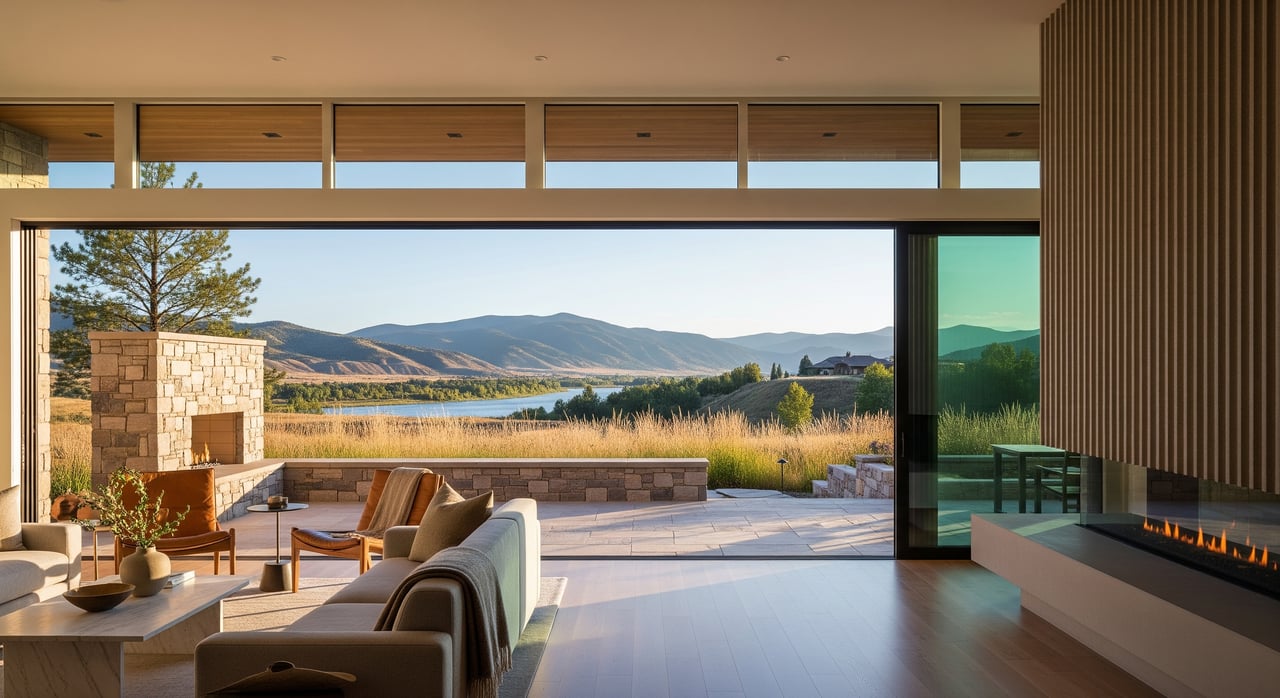
Thinking about a move to Fort Collins? Maybe you want easy access to trails and open space, a lively food and beer scene, and a friendly feel without big-city pace. You are not alone. Fort Collins blends university energy with a laid-back outdoor lifestyle, which makes day-to-day life feel both active and relaxed. In this guide, you will see what daily life looks like across seasons, how people get around, where locals spend time, and what to consider as you choose a neighborhood. Let’s dive in.
Fort Collins at a glance
Fort Collins is a mid-sized city on Colorado’s Front Range with about 170,000 residents. Colorado State University is a major anchor, shaping the rhythm of the year and adding arts, sports, and research activity to city life. The economy spans higher education, health care, light manufacturing and technology, professional services, and a nationally recognized craft-brewing community.
You will notice a mix of students, long-time residents, and families. Old Town buzzes most evenings and weekends, while quieter suburban pockets offer more space and yard options. Many trips are still by car, but biking is common, especially around CSU and central neighborhoods.
Weather and seasons
Fort Collins has four distinct seasons in a semi-arid, high plains climate. Summers are warm and sunny with occasional short, intense afternoon thunderstorms. Autumn is usually mild and bright. Spring can be colorful and changeable. Winters bring snow and occasional multi-day cold snaps.
What this means for daily life:
- Layers are your friend. Mornings and evenings can be cool even after sunny afternoons.
- Winter driving is part of life. Many residents use all-season or snow-rated tires and keep a flexible plan on snowy days.
- Sunshine is abundant. You will see people hiking or biking year-round when conditions allow.
- Landscaping tends to be low-water. Xeric plant choices and city conservation programs are common.
Expect higher heating costs in colder months and moderate cooling needs in summer. Utility programs and conservation tools are useful if you want to manage seasonal bills and watering schedules.
Getting around town
Most residents rely on a car for commuting and errands, but you have multiple options.
Commuting patterns
City commute times are generally moderate compared with larger metros. Traffic on I-25 can stack up during peak hours and holiday weekends. If you commute to Denver or Boulder, plan for 60 to 90 minutes or more depending on conditions. Within Fort Collins, commuter flow also shifts with CSU’s academic calendar and remote work trends.
Transit options
The local Transfort bus network serves major corridors, CSU, and many neighborhoods. The MAX bus rapid transit line connects key areas through the city’s core. For regional trips, Bustang and other intercity buses link Fort Collins with Denver and other Front Range communities. Frequency varies by route and time of day, so many commuters still prefer to keep a car.
Biking and walking
Fort Collins is widely recognized for its bike infrastructure. Multi-use trails and on-street bike lanes make many trips by bike possible, especially near Old Town and CSU. If biking matters to you, test your route at typical commute times and check winter maintenance for your preferred paths.
Parking basics
Downtown and Old Town use a mix of paid and time-limited parking with municipal lots and garages. Near CSU and some central neighborhoods, residential permit zones are common. In suburban areas, driveway and street parking are typically easier.
Outdoor life and recreation
If you like to be outside, Fort Collins makes it easy. Horsetooth Reservoir and Horsetooth Mountain Open Space offer boating, fishing, climbing, and miles of trails with foothill views just west of town. Lory State Park sits nearby with more trail networks. The Poudre River corridor adds kayaking in certain sections and a popular paved Poudre Trail for biking and walking.
Within the city, parks, natural areas, and bike paths connect neighborhoods. You can grab a morning run on a local trail, take an evening ride along the river, or plan a weekend day trip to nearby open spaces across Larimer County. Spring through fall, expect patio dining, outdoor concerts, and weekend festivals to fill the calendar.
Dining, breweries, and culture
Fort Collins has a nationally notable craft-brewing scene, and taprooms are part of the city’s social fabric. Old Town concentrates many restaurants, coffee shops, and bars, ranging from casual spots to farm-focused menus and international flavors.
For arts and culture, you will find a steady calendar of events at venues such as the Lincoln Center, plus CSU performances and community festivals. The Fort Collins Museum of Discovery and smaller music venues round out the scene. Nights tend to be lively but relaxed, with more live music and brewery patios than late-night clubs, especially outside the university semester peaks.
Neighborhood feel
Fort Collins is not one-size-fits-all. Your lifestyle can vary based on where you live.
Old Town / Downtown
Historic blocks, walkable streets, and lots of dining and entertainment. Housing includes older single-family homes, condos, and townhomes. You trade bigger yards and garages for proximity and character.
CSU and College Avenue corridor
Close to campus energy and services. A mix of rentals, apartments, and older homes. Expect a livelier scene during the academic year and more turnover aligned with the semester calendar.
Midtown
A central hub with shopping centers and newer mixed-use pockets. More car-oriented than Old Town, but with growing options for housing and amenities.
West and Horsetooth area
Primarily suburban single-family neighborhoods with convenient access to foothills and Horsetooth Reservoir. Popular for residents who want quick trail access and a quieter residential feel.
North Fort Collins and Harmony Corridor
A range of established and newer subdivisions, plus easier highway access in certain spots. Housing types vary, and you will find many family-oriented neighborhoods across this area.
Rural outskirts and foothill communities
Lower-density living with larger lots, agricultural properties, and foothill settings in parts of Larimer County. You gain space and scenery and trade longer drives for services and commuting.
Schools and learning
Most of Fort Collins is served by Poudre School District, which includes neighborhood schools, option schools, and charter schools. School boundaries are a common consideration when choosing a neighborhood. Colorado State University adds cultural, sporting, and educational resources for residents, and housing demand near campus is influenced by the university calendar. For enrollment and boundary questions, review district resources during your home search.
Daily practicalities
Day-to-day life is smoother when you factor in a few basics early.
Housing search tips
- Visit at different times of day to understand noise, parking, and traffic near schools or CSU.
- If walkability or biking is important, test actual routes during your typical commute time.
- Consider how seasonal weather might affect your routine, from winter driving to summer storms.
Transportation choices
- Frequent Denver commuters may prefer proximity to I-25 and should plan for variable drive times.
- If you expect to rely on transit, check Transfort coverage and frequency for your routes.
- Confirm bike route connectivity and winter maintenance if you plan to ride year-round.
Utilities and services
- Fort Collins Utilities provides water, sewer, and electric service in most of the city. Verify providers by address.
- Learn local watering guidelines and explore xeriscaping to reduce water use.
- Budget for seasonal shifts in energy use, especially winter heating.
Weather readiness
- Keep sun protection and layers handy in all seasons.
- Prepare your vehicle for winter conditions, including traction options and an emergency kit.
- Store rain gear for quick summer storms.
Community connection
- Farmers markets, arts events, volunteer opportunities, and CSU public programs are easy ways to meet neighbors.
- Parks and recreation programming offer leagues, classes, and family activities across the city.
Living here week to week
On weekdays, you might start with a river trail run or a quick coffee in Old Town before a short drive or bike commute. Afternoons often mean sunshine, so patio lunches and after-work rides are common. If you work remotely, central neighborhoods make quick errands easy, while suburban areas trade proximity for more home space.
Weekends often start outdoors. Horsetooth’s trails and reservoir fill up early on blue-sky mornings, and the Poudre Trail offers family-friendly rides. Later, you might browse a market, take in a concert or a CSU game, and finish with dinner near Old Town. When winter rolls in, you switch to snow-friendly routines, from cross-country loops to cozy brewery stops.
Is Fort Collins right for you
Every location has tradeoffs. Fort Collins offers a strong outdoor culture, frequent sun, and a casual, civic-minded vibe. In central neighborhoods you gain walkability and nightlife but give up big yards and dedicated parking. Suburban areas offer more space and a quieter pace, with more driving for errands. Close to CSU you get vibrant student energy and quick access to campus events, while farther out brings more year-round calm. If you want trails at your door, the foothill edges are a great fit, though some commutes may be longer.
If you are weighing these options, local guidance helps. A neighborhood-level view of commuting patterns, school boundaries, and seasonal rhythms can save you time and stress.
Ready to explore neighborhoods or get a pricing read on your current home? Connect with Brendan Mahoney for candid, hyper-local guidance and a smooth process from search to close. Schedule a free consultation.
FAQs
What is the climate like in Fort Collins?
- Fort Collins has four distinct seasons in a semi-arid climate, with sunny summers, mild autumns, changeable springs, and winters that include snow and occasional cold snaps.
How do most people commute in Fort Collins?
- Most trips are by car, with moderate city commute times; I-25 can be congested at peak hours, and Denver commutes can run 60 to 90 minutes or more.
Is there public transit in Fort Collins?
- Yes. Transfort serves the city with fixed routes and paratransit, the MAX line connects key corridors, and regional buses link to other Front Range cities.
Is Fort Collins bike-friendly for daily errands?
- Yes. A strong network of multi-use trails and on-street bike lanes makes biking feasible for many commutes, especially near CSU and Old Town.
Which school district serves Fort Collins?
- Most of the city is served by Poudre School District, which includes neighborhood, option, and charter schools; check boundaries during your home search.
What outdoor areas are close to town?
- Horsetooth Reservoir, Horsetooth Mountain Open Space, the Poudre River corridor, and Lory State Park are nearby, with additional county and state lands within short drives.
How does CSU influence daily life in Fort Collins?
- CSU adds arts, sports, and research activity, shapes seasonal rhythms downtown, and influences rental demand near campus, especially before each fall semester.