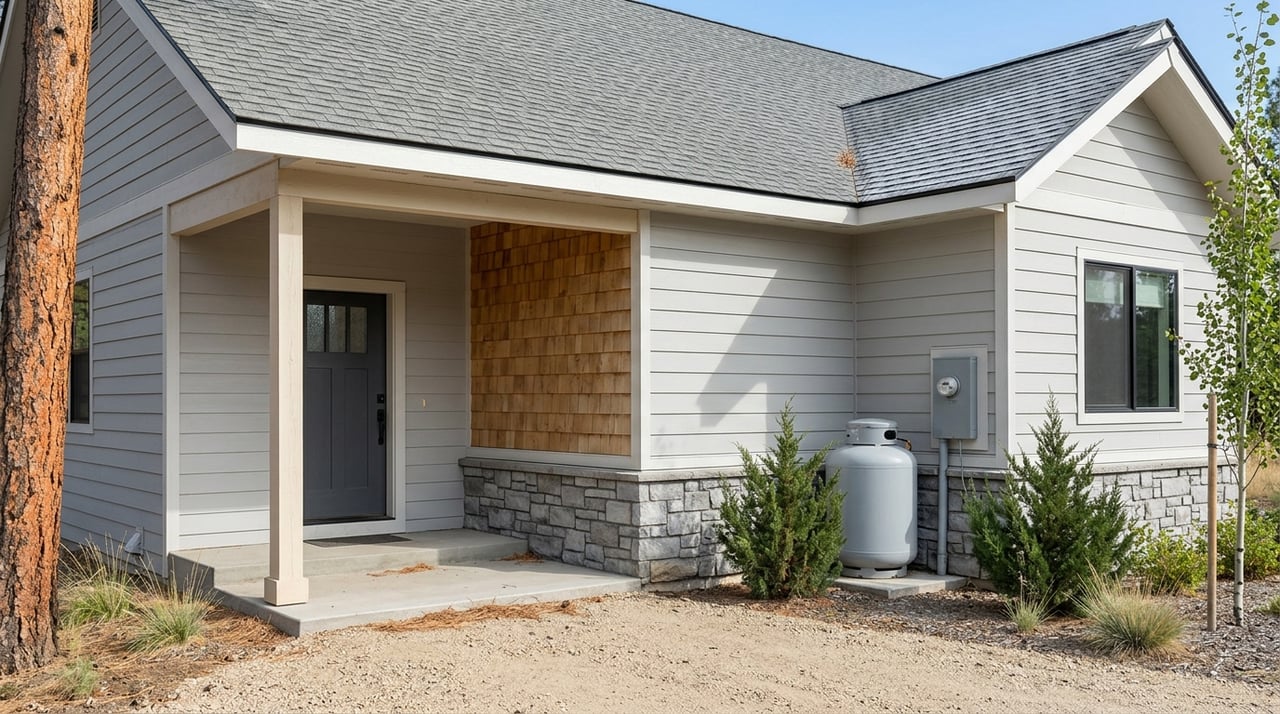
Thinking about buying a cabin in Livermore? The sticker price is only part of the story. If you want a place to unplug, enjoy more space, or own a second home in northern Larimer County, it helps to understand the rural ownership costs that can show up after closing. This guide breaks down what cabin ownership really costs in Livermore, what questions to ask before you buy, and where the biggest budget surprises tend to happen. Let’s dive in.
Why Livermore cabin costs are different
Livermore is a rural center in unincorporated Larimer County, and rural ownership works differently than living in town. County guidance makes clear that access, utilities, and emergency response can vary from what you may expect in a more urban setting.
That means your monthly housing cost may be only one part of the picture. In many cases, the real budget includes road upkeep, utility systems, insurance planning, wildfire mitigation, and seasonal maintenance.
Start with the purchase and financing costs
If you are buying a Livermore cabin as a second home, your financing terms may not look the same as a primary residence. Freddie Mac says a second-home mortgage must secure a one-unit property, you must occupy it for some portion of the year, and the home must be kept primarily for your personal use and enjoyment.
Closing costs can also vary more than buyers expect. The Consumer Financial Protection Bureau notes that costs depend on the purchase price, lender fees, home type, and location, and a down payment under 20% may trigger mortgage insurance.
For buyers, this means you should budget beyond principal and interest. Before you fall in love with a property, it is smart to compare your likely down payment, lender fees, prepaid costs, and any mortgage insurance with the cabin’s ongoing rural ownership costs.
Property taxes may depend on the property’s status
Property taxes in Larimer County are not a flat number. The county explains that taxes are based on the taxable assessed value of the property and the mill levies charged by taxing authorities such as the county, school districts, and special districts like fire, water, or sanitation.
For 2026, Larimer County’s assessment-rate table shows 6.8% for local-government residential property, 7.05% for school districts, and 26% for vacant land. That matters for cabin buyers because some sites may be taxed as vacant land before construction or between improvements.
This can create a very different tax picture from one property to the next. Two cabins with similar asking prices may carry different tax bills if one sits in a special district or if part of the property is classified differently.
Larimer County’s 2025 Road & Bridge mill levy offers a good example of how local taxes work. The county says its 0.427 mill levy would equal about $15 annually on a $600,000 residential structure for county road maintenance. That amount does not replace any private-road dues, special assessments, or direct repair costs tied to private access roads.
Road access can be a major hidden cost
One of the biggest cost differences in Livermore cabin ownership is road access. Larimer County’s Code of the West says that being able to drive to a property does not guarantee access at all times, and emergency response times cannot be guaranteed.
The county also notes that road maintenance may be handled by a private association or by property owners themselves. Some county roads may receive no grading or snow plowing at all, and extreme weather can make roads impassable.
This matters because road costs can be predictable or sudden. You might have regular association dues for maintenance, or you could face large repair bills after flooding, washouts, or seasonal damage if the road is privately maintained.
Before you buy, ask clear questions about the road:
- Is it a public road, county-maintained road, or private road?
- Who pays for grading, snow removal, and repairs?
- Are there regular dues or occasional assessments?
- Is winter access realistic for your vehicle, or will you need four-wheel drive and chains?
Larimer County’s road department maintains hundreds of miles of paved and non-paved roads, with seasonal work that includes snow and ice control as well as grading and dust suppressant application. Even so, not every property will benefit equally from that work, especially if part of your route is private.
Utilities may require more owner responsibility
In Livermore, utility service can vary widely from property to property. Larimer County says water, sewer, electric, telephone, and other services may be unavailable or may not operate at urban standards.
If sewer is not available, the property will need an approved septic system or another treatment process. If the cabin relies on a private well, Colorado requires a permit for every new groundwater well, and the owner is primarily responsible for water safety.
For buyers, that creates two important budget categories:
- Infrastructure costs, such as well, septic, or system upgrades
- Ongoing maintenance costs, such as inspections, pumping, testing, and repairs
A cabin with existing public utilities may be simpler to budget for than one that depends on private systems. On the other hand, a private system is not automatically a deal breaker. It just means you need better due diligence before you commit.
Septic costs deserve extra attention
Septic is one of the most important cost items to review on a rural cabin purchase. Larimer County says cabins with water from a well or public system generally need a full onsite wastewater treatment system unless the property cannot support one.
The county also says limited-use systems can be used for cabins without plumbing and with hauled water, but those systems can be costly to maintain over the long term. That is a detail many buyers do not expect.
Routine maintenance matters too. Larimer County recommends septic inspection every three years and tank pumping every three to five years. Those are recurring ownership costs, not one-time expenses.
When you tour a cabin, try to learn:
- What type of wastewater system serves the property
- When the system was installed or last upgraded
- When it was last inspected or pumped
- Whether the current use matches the system design
Insurance can take more planning
Insurance is another area where rural cabin ownership can get more complicated. Larimer County identifies wildfire hazard areas and a designated Wildfire Mitigation Area, which means cabin buyers should treat insurance as a serious early step in the process.
The county’s Wildfire Partner Program says a Gold Level certification letter can be shared with insurers to verify wildfire safety standards. The county also notes that this does not guarantee coverage, but it can improve a homeowner’s chances of securing insurance.
Colorado’s Division of Insurance says insurers may non-renew a homeowners policy with at least 30 days’ notice and a specific reason. For buyers, that means insurance is not something to figure out at the very end. It should be part of your upfront due diligence.
A smart insurance checklist includes:
- Confirming whether the property is in a wildfire hazard area
- Asking what mitigation work has already been completed
- Checking whether documentation is available for insurers
- Pricing coverage before your inspection period ends, if possible
Wildfire mitigation has both costs and possible tax relief
Wildfire mitigation can add to the cost of ownership, but it may also help protect your property and support insurability. In Larimer County, mitigation steps may include defensible space, thinning, fuel breaks, and similar work that meets state standards.
Colorado also offers a wildfire mitigation measures tax credit for qualifying out-of-pocket expenses. For tax year 2025, the Colorado Department of Revenue says the credit limit is $1,000.
That credit will not erase the cost of mitigation, but it may help offset part of the work. If you are comparing properties, it is worth noting whether a cabin already has visible mitigation improvements or whether that work still needs to be done after closing.
Seasonal upkeep adds to the real budget
Cabin ownership in Livermore often comes with more seasonal work than buyers expect. Winter weather, rural access, and private utility systems can all create a longer maintenance checklist.
Colorado State University Extension recommends winterizing sprinkler systems by shutting off the water and draining the lines. Larimer County also notes that winter access may require a four-wheel-drive vehicle with chains in extreme conditions.
These are not dramatic expenses one by one, but together they affect your annual budget and your time. Even a cabin that feels simple on day one may require a steady maintenance routine through winter, spring runoff, and summer conditions.
Questions to ask before buying a Livermore cabin
If you want a clearer picture of true ownership costs, focus your due diligence on a few key areas. These questions can help you compare one property with another.
Road and access questions
- Who maintains the road?
- Are there road dues, shared agreements, or possible repair assessments?
- Does the road get snow plowed or graded regularly?
- What is access like during winter storms or flood events?
Utility and system questions
- Is the property served by public utilities, a private well, septic, or hauled water?
- Does the well have the needed permit history?
- What type of septic or limited-use system is in place?
- What maintenance records are available?
Tax and district questions
- Is the property taxed as residential, vacant land, or a mix?
- Does it sit in a fire, water, or sanitation district?
- Are there any additional service charges tied to the parcel?
Insurance and mitigation questions
- Is the cabin in a wildfire hazard area?
- What mitigation work has been completed?
- Is there documentation that may help with insurance underwriting?
- What are current insurance quotes telling you before closing?
The bottom line on Livermore cabin ownership
The real cost of owning a cabin in Livermore is usually much more than a mortgage payment. In this part of Larimer County, your budget may also include property taxes, private road upkeep, well and septic maintenance, wildfire mitigation, insurance planning, and seasonal access needs.
That does not mean cabin ownership is a bad fit. It simply means the best purchase decisions come from understanding how the property functions day to day, not just how it looks online.
If you are comparing rural properties in Livermore or anywhere in northern Larimer County, local guidance matters. A hands-on review of roads, systems, taxes, and insurance can help you avoid surprises and buy with more confidence.
If you want help evaluating a cabin purchase through a practical Northern Colorado lens, Brendan Mahoney can help you understand the details, compare properties, and move forward with a clear plan.
FAQs
What costs should I expect beyond the mortgage for a Livermore cabin?
- In addition to the mortgage, you may need to budget for property taxes, road maintenance, well or water costs, septic maintenance, insurance, wildfire mitigation, and seasonal upkeep.
How do property taxes work for cabin properties in Livermore?
- Larimer County calculates property taxes using assessed value and local mill levies, and the total can vary based on property classification and whether the parcel is in special districts such as fire, water, or sanitation.
Why is road access such a big factor for Livermore cabin ownership?
- In rural Larimer County, some roads are privately maintained, some county roads may not be graded or snow plowed, and severe weather can affect access, maintenance costs, and repair responsibility.
Do Livermore cabins usually have public utilities?
- Not always. Larimer County says rural properties may have limited utility service, and some cabins rely on private wells, septic systems, or other non-urban utility setups.
What should I know about septic systems for a Livermore cabin?
- Cabins with water from a well or public system generally need a full onsite wastewater system unless the property cannot support one, and Larimer County recommends septic inspections every three years and pumping every three to five years.
How does wildfire risk affect cabin ownership in Livermore?
- Wildfire risk can affect both mitigation costs and insurance options, so buyers should review hazard area status, existing mitigation work, and any documentation that may help with insurance underwriting.