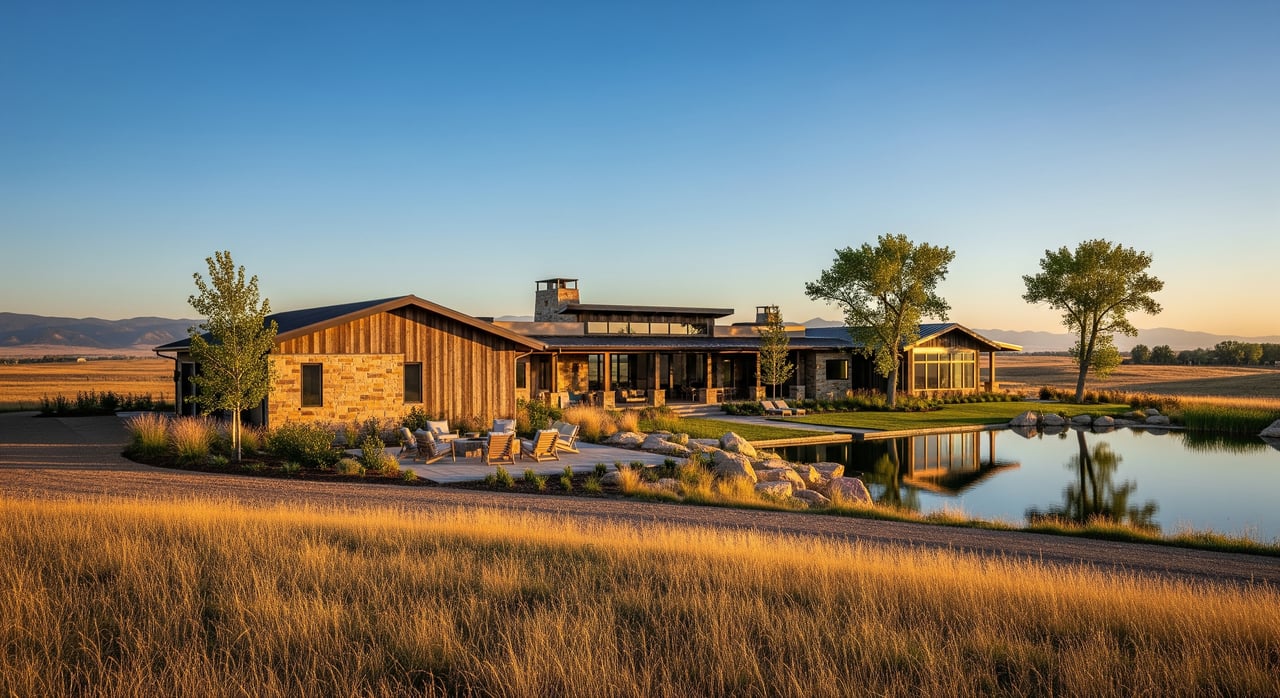
Thinking about a move to Windsor, Colorado? You’re not alone. Many newcomers choose Windsor for its small‑town feel, outdoor access, and easy connections to Northern Colorado’s job centers. In this guide, you’ll learn where to live, how to commute, what to expect from HOAs and schools, and how to handle a remote home purchase with confidence. Let’s dive in.
Why Windsor appeals to newcomers
Windsor sits on Colorado’s northern Front Range between Fort Collins and Greeley, with parts of town in both Weld and Larimer counties. Growth has been steady thanks to new neighborhoods and people relocating from across the Front Range. The climate brings four true seasons, with warm, relatively dry summers and cold winters that include periodic snow.
You’ll find a community that values parks, trails, and local events. Many residents enjoy Windsor Lake, regional open space, and youth sports programs. The town’s scale helps you get around easily while staying close to larger-city amenities.
Commute and connectivity
Most residents commute to nearby employment centers or work in hybrid roles. Typical drive times vary by time of day and road conditions:
- Fort Collins: about 15 to 25 minutes
- Greeley: about 20 to 30 minutes
- Loveland: about 20 to 30 minutes
- Central Denver: about 50 to 75 minutes
- Denver International Airport: about 60 to 75 minutes
Seasonal weather like snow, wind, or hail can slow travel, so plan extra time during storms. Windsor’s historic core is walkable, while newer neighborhoods are more car‑oriented. Regional bus systems serve Northern Colorado, but direct transit from Windsor is limited, so most people drive.
Housing options in Windsor
Windsor offers a range of homes, from historic houses near downtown to new construction in master‑planned communities. Here’s how to think about the main options.
Old Town Windsor
- Character: Historic core with walkable streets, local shops and restaurants, and proximity to Windsor Lake. You’ll see older single‑family homes and some mixed‑use or infill projects.
- Buyer fit: If you value character and being close to community events, this area is worth exploring.
Master‑planned communities
- Character: Newer single‑family homes with community amenities like pools, parks, trails, and active HOAs. Often located on the town’s edges.
- Buyer fit: Great for those who want newer construction, possible builder warranties, and neighborhood amenities.
Suburban and transition areas
- Character: Post‑1990s neighborhoods with medium‑sized yards, varied builders, and more mature landscaping.
- Buyer fit: A practical balance of price, size, and access to parks and services.
Townhomes and attached homes
- Character: Lower maintenance living with HOA oversight and smaller footprints, often near services.
- Buyer fit: Ideal for entry‑level buyers and downsizers who prefer convenience.
Rural and acreage properties
- Character: Larger lots on the edges of town. Some parcels may use wells and septic and allow equestrian uses, depending on zoning.
- Buyer fit: Best for those seeking privacy or an equestrian lifestyle. Plan for extra due diligence on utilities, access, and county rules.
New build or resale?
New construction offers modern layouts and warranties, with potential builder incentives. Build timelines can range from weeks to several months depending on the stage of the home. Expect HOAs in many new communities and factor design standards, landscaping rules, and amenity fees into your budget.
Resale homes provide established landscaping and mature neighborhoods, with more variation in style and price. In fast markets, move quickly with a strong pre‑approval and a clear plan for inspections and contingencies. Your approach can change depending on inventory and builder offerings at the time you buy.
HOAs, utilities, and internet
HOAs are common in newer neighborhoods, and fees vary by the amenities they maintain. Review covenants, architectural rules, landscaping requirements, and any transfer fees before you commit. Ask your agent to obtain the latest HOA documents early in the process.
Utility providers differ by location, especially on the rural edges where wells and septic may apply. High‑speed internet availability also varies by neighborhood. Confirm providers, average costs, and service speeds for the specific address before you make an offer.
Schools and enrollment basics
Windsor is primarily served by the local Windsor school district. Because parts of town cross county lines and district boundaries, verify which schools serve your specific address. Use district boundary maps and contact the district office to understand enrollment, choice, and transfer policies.
Families also benefit from proximity to regional higher‑education options in Northern Colorado. These institutions support local workforce development and continuing education.
Parks, trails, and weekends
Windsor Lake and Windsor Lake Park are central community hubs for walking, biking, and seasonal activities. You’ll find extensive trail networks and local parks that support youth sports and family recreation. The town also hosts seasonal events that bring people together and build community identity.
Safety and environmental checks
Wildfire risk in Windsor is generally lower than in foothill communities, but preparedness is still smart. Some areas near rivers or creeks can have flood risk. Always verify whether a property is in a floodplain using official maps and county resources.
Northern Colorado weather can bring wind and hail. Ask for recent roof documentation and consider specialist inspections for roofs, HVAC, radon, foundations, and, where applicable, wells and septic systems.
Healthcare access
You have nearby hospital options in Fort Collins and Greeley. For specialty services or major trauma, many residents travel to Fort Collins or Denver. If healthcare access is a priority, map drive times from candidate homes to your preferred facilities.
Remote tours and e‑closings
Many buyers relocate to Windsor from out of the area. You can complete most of the process remotely with the right plan:
- Asynchronous media: Review high‑quality photos, floor plans, and 3D tours to understand layout and flow.
- Live virtual showings: Join your agent on video to see sightlines, street context, and ambient noise.
- Inspections: Hire a local inspector. If you cannot attend, have your agent join by video and request a thorough report with photos.
- E‑closings and notarization: Colorado supports remote and mobile notarization. Coordinate with your lender and title company on e‑signing options.
- Earnest money: Send funds to the title or escrow company by wire or check. Always verify wiring instructions by phone using a trusted number to avoid fraud.
Your 30 to 45 day timeline
Every transaction is unique, but this outline helps you plan:
- Days 1 to 3: Finalize pre‑approval, tour homes in person or virtually, and align on neighborhoods. Authorize your agent to act quickly on offers if you are remote.
- Days 4 to 7: Write offers and negotiate terms. Prepare proof of funds and lender letters. Set expectations for appraisal and inspection windows.
- Days 8 to 15: Complete inspections and any specialist evaluations. Request repairs or credits as needed.
- Days 16 to 25: Appraisal and loan underwriting. Monitor appraisal gaps and discuss options if values shift.
- Days 26 to 35: Final loan approval and closing disclosures. Set up utilities, trash, and internet for your move‑in date.
- Closing week: Final walkthrough and e‑signing or in‑person signing. Coordinate keys, movers, and any temporary lodging.
Moving logistics and settling in
Getting established is easier with a checklist:
- Temporary housing: Consider short‑term rentals or extended‑stay hotels if you need extra time to house‑hunt.
- Residency tasks: Plan for vehicle registration, driver’s license, and voter registration based on current Colorado timelines.
- Utilities and services: Schedule water, power, gas, trash, and internet transfers for your possession date.
- School enrollment: Contact the district for transfer timing and required documents. Ask about temporary documentation if you’re moving from out of state.
- Community connections: Use the town website and local community groups to find activities, contractors, and service providers.
Work with a local guide
Relocating is easier when you have a steady, hands‑on partner who knows Windsor and Northern Colorado. Our owner‑operated team provides full buyer representation, transparent advice on neighborhoods and HOAs, and tight transaction coordination so you can close with confidence, even from afar.
If Windsor is on your list, let’s talk about your timeline, commute, and must‑haves. Connect with Brendan Mahoney to schedule a free consultation.
FAQs
How long is the Windsor commute to Fort Collins, Greeley, and Denver?
- Plan about 15 to 25 minutes to Fort Collins, 20 to 30 minutes to Greeley, and 50 to 75 minutes to central Denver, with longer times during rush hour or winter weather.
How common are HOAs in Windsor, and what do they cover?
- Many newer neighborhoods have HOAs that may maintain amenities like pools, parks, trails, and landscaping. Fees and rules vary, so review covenants, design standards, and transfer fees before you buy.
What public transit options should I expect when living in Windsor?
- Direct local transit is limited, and most residents drive. Regional systems serve Northern Colorado, so check for nearby park‑and‑ride or intercity options if transit access is important to you.
How do I verify Windsor school boundaries for a specific address?
- Use the school district’s boundary maps and contact the district office to confirm assigned schools, enrollment steps, and transfer or choice policies before you make an offer.
How do virtual showings and e‑closings work for a Windsor home purchase?
- You can tour homes via live video, complete inspections with your agent present, and close using remote notarization and e‑signing through your lender and title company. Always confirm wire instructions by phone to prevent fraud.
What environmental risks should I check when buying in Windsor?
- Review floodplain maps for creek or river‑adjacent properties, plan for wind and hail exposure, and consider inspections for roof, HVAC, radon, foundation, and, where applicable, well and septic systems.