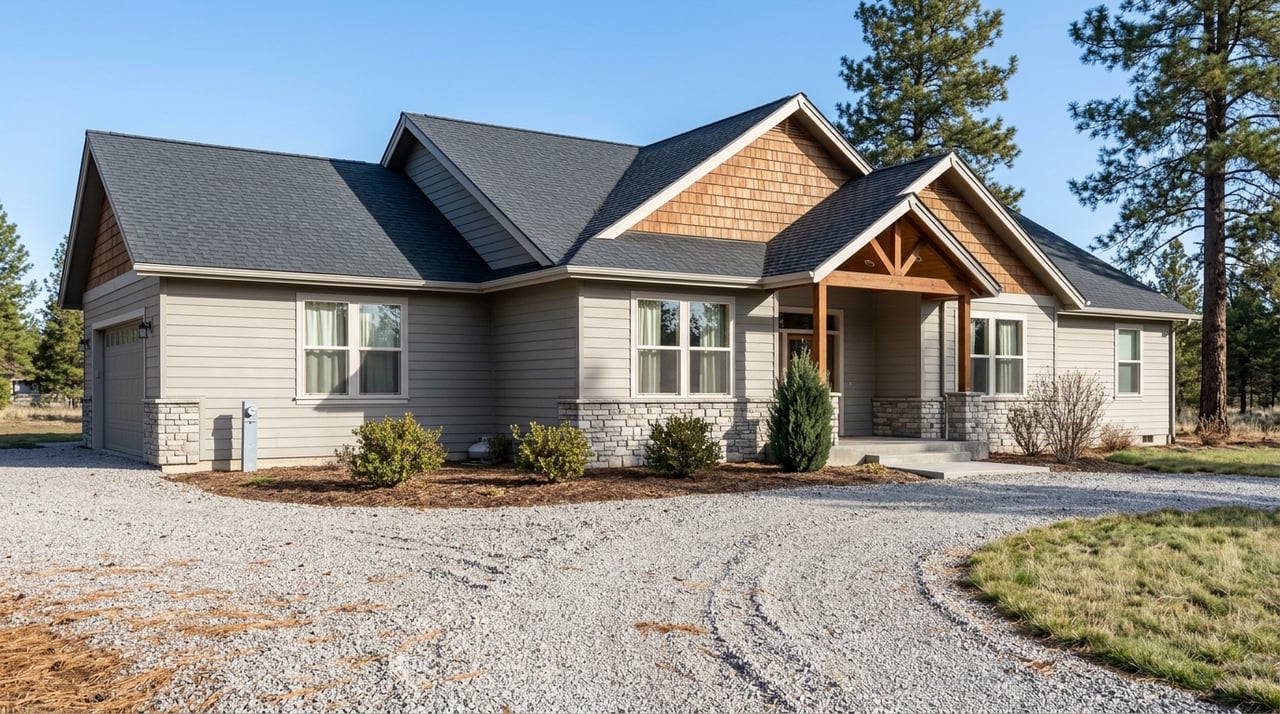
If you are dreaming about more space, bigger views, or a home with room to spread out, buying land or an acreage property in Bellvue can be exciting. It can also come with more moving parts than a typical neighborhood home purchase. The good news is that if you know what to check before you buy, you can move forward with more confidence and fewer surprises. Let’s dive in.
Why Bellvue acreage buying is different
Bellvue is one of Larimer County’s unincorporated communities, which means county rules usually guide how land can be used and developed rather than city zoning rules. According to Larimer County’s community overview, that local structure matters because your property questions will often start with county departments, not a municipality.
That changes the way you should evaluate a property. With land and acreage homes, the house is only part of the picture. You also need to understand how the parcel is classified, what is legally allowed, and whether the site works for your plans now and later.
Start with zoning and allowed use
One of the first steps is confirming the parcel’s zoning district and what that zoning actually allows. Larimer County zoning rules apply to unincorporated areas and cover things like minimum lot size, setbacks, building height, and accessory uses.
This is where many buyers get tripped up. Zoning is not just a label on a map. You need to know whether your intended use is allowed under that zoning and whether any overlay district or prior approval changes the answer for that specific parcel.
If you are thinking beyond the current house, ask detailed questions early. For example, you may want room for a shop, barn, guest space, or another structure later. Those future plans should be checked against current county standards before you close.
Confirm the parcel is a legal lot
Legal lot status is one of the most important due-diligence items for Bellvue land and acreage homes. Larimer County’s Property Status Information process can provide written findings on legal lot determinations, zoning verification letters, nonconforming use determinations, and code compliance research.
This matters because legal lot status can affect both title transfer and the ability to get a building permit. Larimer County states that a building permit cannot be issued for a lot that was not legally created. The county also notes that parcels under 35 acres created after May 5, 1972 without county approval are treated as illegal parcels.
If there is any uncertainty, it is often worth getting written confirmation instead of relying on assumptions. The county says the current Property Status Information fee is $131.54 and the process can take up to 10 weeks, so this is something to start early.
Know that zoning and tax classification are not the same
Acreage buyers sometimes assume agricultural zoning and agricultural tax treatment are the same thing, but they are not. Larimer County explains that zoning controls permitted use, while the assessor classifies property for tax and valuation purposes based on actual use.
That distinction can have real cost implications. Agricultural assessment in Larimer County depends on actual farm or ranch use and is generally tied to property used for the primary purpose of earning monetary profit from farming or ranching. If a property is taxed differently because of how it is used, that may affect your long-term carrying costs and ownership expectations.
Review access and road issues carefully
Access is a major part of rural due diligence. A Bellvue property may look perfect online, but access details can affect both usability and financing.
According to Larimer County’s private road permit guidance, a Private Road Construction Permit is required for roads that access more than one residence or parcel. A driveway serving a single residence is not regulated the same way, though the county still encourages use of its road standards.
This is one reason lenders and appraisers pay close attention to road access. Fannie Mae says eligible residential properties should be accessible by roads that meet local standards and suitable for year-round use, as outlined in its general property eligibility standards.
Before any excavation or site work, the county also reminds owners to call 811 for buried and overhead utilities. That is especially important on acreage sites where driveways, utility lines, septic areas, and outbuildings may all compete for space.
Check utilities, wells, and water service
Utilities for acreage property often require more investigation than buyers expect. Larimer County’s utilities checklist directs applicants to provide utility companies with a site plan and project description and to check with the applicable providers for water, sanitation, electric, gas, ditch, or other services.
For water questions, county building staff direct buyers and builders to the Colorado Division of Water Resources or the relevant water district. If the property has a well, the Division of Water Resources well permitting page includes permit search tools and applications, and the permit file can show allowable uses and construction records.
That permit record can be very helpful during due diligence. It may clarify whether the well is permitted for the way you intend to use the property. The state also notes that complete well-permit applications may take up to 49 days to review, which is another reason to plan ahead if future improvements are part of your goals.
Understand septic requirements before closing
Septic is another major piece of the puzzle for Bellvue acreage homes. For new onsite wastewater treatment systems, Larimer County requires soil testing and two open test pits as part of the site and soil evaluation process.
For existing homes, septic matters at resale too. Larimer County’s transfer-of-title program requires a certified third-party inspection for properties served by an onsite wastewater treatment system, and the inspection report must be submitted before the real estate transaction is finalized.
Buyers should also verify that septic permit records match the current use of the property. The county specifically says to confirm the bedroom count and any accessory spaces or additional connections. If a home has been changed over time, this step can help you avoid issues after closing.
Financing can be different for acreage homes
Financing a Bellvue acreage property is often possible, but it may involve more lender review than a standard subdivision home. Fannie Mae says the property must be residential in nature, safe and structurally secure, legal or legal nonconforming, accessible, served by utilities that meet community standards, and suitable for year-round use under its eligibility guidelines.
Larger sites can also affect how the property is evaluated. Fannie Mae states in its appraisal guidance that the appraiser must analyze the actual size of the site, not a hypothetical smaller portion of it. That means the full tract is considered in valuation.
The agency also notes that larger-than-typical sites may be seen as less typical for the surrounding market, and lenders will look closely at zoning, highest and best use, and comparable sales. In addition, Fannie Mae says it does not purchase or securitize loans secured by agricultural-type properties, undeveloped land, or land-development-type properties, which is one reason some acreage purchases need extra underwriting attention.
Some buyers may also want to explore USDA options. USDA Rural Development offers single-family programs for eligible rural areas, with address-specific eligibility and income rules.
Practical questions to ask before you buy
The right questions can save you time, money, and stress. When you are evaluating Bellvue land or acreage homes, it helps to break your due diligence into clear categories.
Questions for the county
- What is the parcel’s zoning district?
- Do any overlay districts or prior approvals affect allowed uses?
- Is the parcel a legal lot?
- Should you request Property Status Information before closing?
- If you want to add a shop, barn, guest space, or additional dwelling later, what standards apply?
- If future land division is part of your plan, what county approval path would be required?
Questions for inspectors or specialists
- Is there septic permit history for the property?
- Does the septic system match the current bedroom count and any accessory living space?
- If there is a well, what permit and construction records exist?
- Is the well permitted for the intended use?
- Are boundaries, easements, and improvements near lot lines clearly identified?
If there is a county-level boundary question, Larimer County’s Surveyor is the county contact for boundary disputes.
Questions for your lender
- Does the property qualify under your chosen loan program?
- Will acreage, private road access, utilities, or septic create added underwriting requirements?
- Is there concern the appraiser may treat the property as atypical for the area?
- Are there special issues tied to private wells, septic systems, or agricultural-use tax classification?
What matters most in Bellvue
For many Bellvue acreage purchases, the biggest drivers of value and loanability are not flashy finishes or square footage alone. They are legal lot status, allowed use, access, water, septic, and whether the property still functions as a conventional residential property in the market.
That is why rural due diligence should start early. When you verify the basics up front, you are in a much stronger position to make a smart offer, negotiate from a place of knowledge, and avoid surprises during the transaction.
If you are considering buying land or an acreage home in Bellvue, working with a local team that understands Northern Colorado property details can make the process much smoother. Brendan Mahoney can help you evaluate the right questions, coordinate the due-diligence process, and move forward with confidence.
FAQs
What should you verify first when buying land in Bellvue, Colorado?
- Start by confirming zoning, allowed use, and whether the parcel is a legal lot through Larimer County.
Why does legal lot status matter for Bellvue acreage property?
- Legal lot status can affect title transfer and whether you can get future building permits for the property.
How do septic requirements affect buying an acreage home in Bellvue?
- Properties served by an onsite wastewater treatment system require a transfer-of-title inspection, and buyers should confirm the permit records match the current use.
How do wells work for Bellvue land and acreage homes?
- Wells are state-permitted in Colorado, and the permit file may show allowable uses, construction records, and other details important to your plans.
Can financing be harder for Bellvue acreage homes?
- Yes. Lenders may review acreage, access, utilities, and overall residential character more closely than they would for a typical neighborhood home.
What questions should you ask about future improvements on Bellvue land?
- Ask whether current zoning allows planned additions like a shop, barn, guest space, or other structures, and whether setbacks or overlays affect those plans.